Why the Discovery Phase is a MUST for your next design project
DESIGN

Have you ever wondered how a product or web designer can turn your ideas into reality? How do they know what you want, what your users need, and what your market expects? How do they come up with something that is not only beautiful, but also functional, engaging, and unique?
The answer is not Photoshop. It’s the “Discovery Process”.

The discovery phase should be a must in every complex design project. It’s a research phase that takes place before any actual “production” work begins. It is a crucial step that helps both the designer and the client to understand the project scope, goals, requirements, and challenges. In another note, it sets the whole foundation for a successful project.
And that’s why clients shouldn’t want to rush to production.
Diamonds are a girl’s best friend

Full process, as shown in mgearon.com
Not real ones though. This is the Double-Diamond Model. In this post I’m just covering the first diamond. If the two diamonds were a movie, the first one is “pre-production” (writing script, hiring staff) and the second one “production” (shooting).
The discovery phase is both the “Discover” and “Define” stage of the double-diamond strategy. The Discover stage is where the team expands their understanding of the problem space by exploring different aspects and perspectives. The Define stage is where the team narrows down their focus to a specific problem statement that is based on evidence and to a vision for the future that they want to create.
Discover: Information is power
A discovery is needed when there are many unknowns or when the client/team is not aligned on what it should be done.
One of the main benefits of the process is that it helps to clarify the project scope, goals and requirements. Often, clients have a vague or broad idea of what they want, but they don’t know how to translate it into a concrete and feasible plan. This can lead to confusion, frustration, and wasted time and resources.

So the first step is gathering. Using methods like stakeholder interviews, user testing, competitive analysis and ideation workshops, the designer can gather information from different sources and perspectives (client, internal team, user, market). This information gathering is what helps to generate valuable ideas, prioritize features and validate assumptions.
Define: Turning ideas into a manageable checklist
Have you ever had a brainstorming session? Ideas are easy to come by, specially in a collaborative environment. Organizing those ideas and making a good, actionable plan? Then things slow down.
What do you do with all the information collected in the previous stage? You analyse it fully. Find patterns, themes and gaps. You also synthesize your insights and create a clear problem statement.
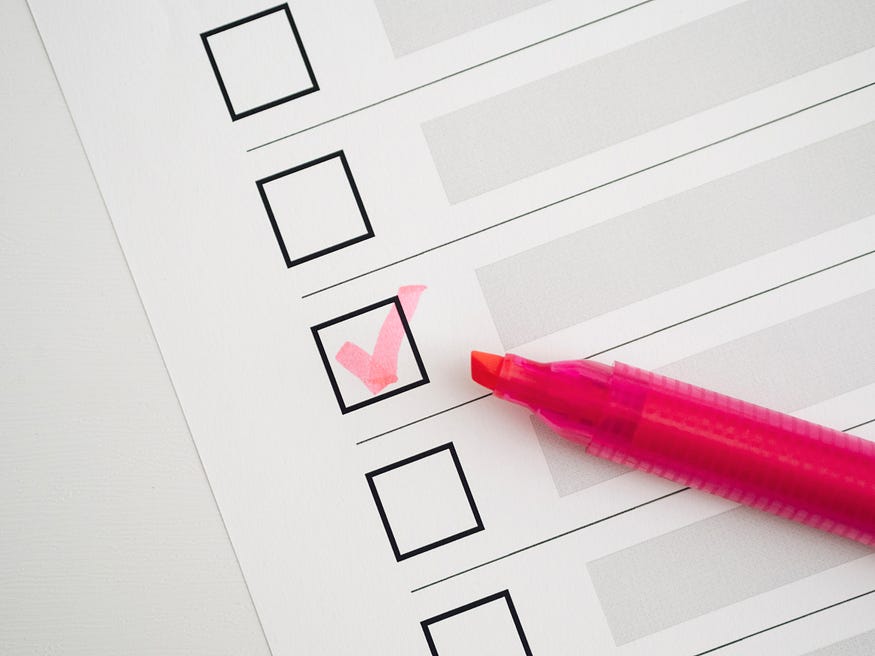
Now, after the main focus problem is chosen, it’s time for a feature checklist. Have you heard of Warren Buffet’s two lists?
Buffett’s Two Lists is a productivity, prioritisation and focusing approach where you write down your top 25 goals; circle your 5 highest priorities; then focus on those 5 while ‘avoiding at all costs’ doing anything on the remaining 20.
It should be a similar thing with your features.
By having a clear and realistic feature checklist, the project becomes more manageable and easier to execute. No more ambiguity either, as everyone involved in the project knows what to expect and what to deliver, perfect to manage both the client and user’s expectations.
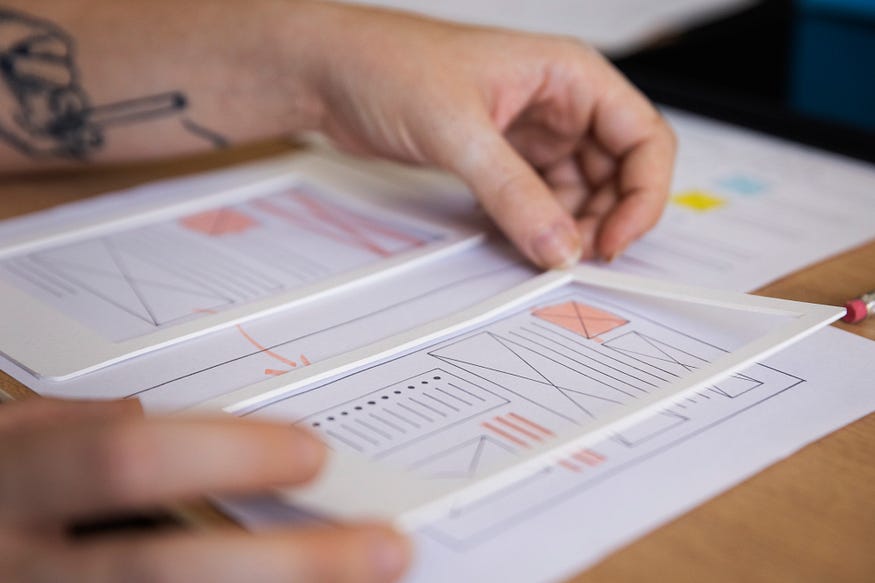
It could also be useful in this stage creating very low-fidelity models. Finally visualizing what you gathered and synthesized can showcase other problems that otherwise you wouldn’t have seen, and because their are low-fidelity they are fast to iterate and refine.
So, what now?
No more rushing.

A discovery process is a powerful tool that can boost your project’s success and impact. It can help you turn your ideas into reality, find a design that connects with your users and market, and collaborate effectively with your agency. It’s a great foundation, like sharpening the axe: Spending some time now can save you time, money and resources in the long run.
Looking to start a project or you need consultation first? Feel free to contact me.