How to Make a Good Presentation: Start by Cutting
DESIGN
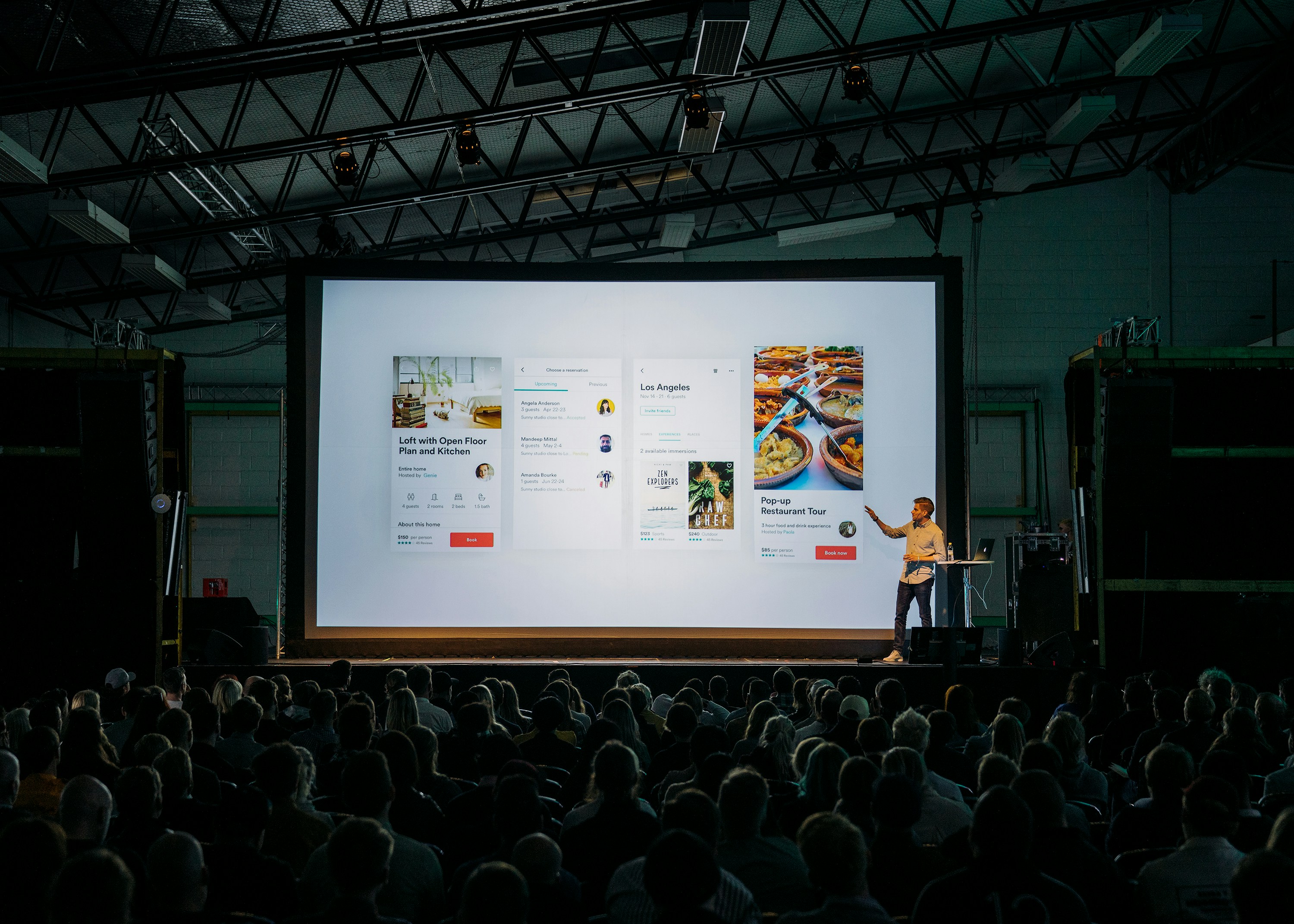
Most presentations have too much in them. Too many slides, too many points per slide, too many words. Cut slides until you have fewer than the number of minutes in your meeting. Put one idea per slide. Write titles that state a finding. Keep bullets short enough to read in two seconds.
A beginner designer asked me how to make a good presentation last week.
I started listing design things: font choices, slide layouts, color systems. Then stopped, because that's not actually where most presentations fail.
After 10 years building pitch decks for B2B tech and SaaS companies, the pattern in almost every bad deck is the same. Too much in it. Too many ideas, too many words, too many slides doing too much.
The wins mostly came from cutting. Here's what that looks like in practice:

How many slides should a presentation have?
Fewer than the number of minutes in the room.
A 30-minute meeting should have fewer than 30 slides. This sounds obvious until you count how many slides most decks carry that don't earn a spot. Agenda slides. Recap slides that repeat what the previous three already said. A "Questions?" slide at the end that nobody needed.
Every slide should earn its place. If you removed it and the argument still held, remove it.
How do you know if a slide has too many ideas?
Read the title out loud. If you can hear two separate points, the slide has too many ideas.
One idea per slide. If a slide makes two points, split it. This feels wasteful until you see that two ideas on one slide means neither one lands.
A useful check: read only the slide titles in order, nothing else. Does the sequence tell the whole story? If not, something is wrong with the titles or the structure. Either way, fix it before touching anything else.
What should a slide title say?
State the finding.
"Q3 Revenue" is a label. "Q3 Revenue Up 18% vs. Last Year" is a finding. The label makes the audience figure out what you're telling them. The finding does that work for them.
Think of each title as a standalone headline. Someone half-listening in a meeting should still follow your argument from the titles alone. If you can swap the titles between two slides and nothing feels wrong, the titles aren't working hard enough.
How do you cut words from a presentation?
Start here: if you're reading a slide word for word while presenting, that content belongs in a document.
Clients often hand over a 4,000-word brief and expect one presentation. That's usually three presentations packed into one. Deciding what stays is part of the job.
For bullets: short enough to read in two seconds. If a bullet needs a sub-bullet to explain itself, rewrite the bullet. The sub-bullet is a symptom, not a fix.
Does design actually matter?
Yes. It's the last 10%.
Good design makes a clear deck easier to read and more credible to look at. It can't fix a deck where the thinking is muddy. A beautiful slide with a vague title and three conflicting ideas is still a bad slide.
Template shopping early in the process is almost always a waste of time. The template is a container. Get the thinking right first, then design.

FAQ
What's the fastest way to improve a presentation?
Read only the slide titles in order. If the argument doesn't make sense from the titles alone, fix the structure before changing anything else.
How long should a presentation be?
Shorter than you think. Fewer slides than the number of minutes in the room is a good starting rule. Leave time for questions.
Does design matter for investor decks?
Yes, but clarity matters more. Investors see a lot of decks. A clear, well-organized argument is more memorable than a polished but confusing one. Get the structure right first.
What's the most common mistake in pitch decks?
Trying to say everything. The deck's job is to get a second meeting. Save the detail for the follow-up.
Should you use bullet points in presentations?
Only if each bullet can be read in two seconds. If you need three lines to make a point, that's a slide idea, not a bullet.
I've been building pitch decks and investor presentations for B2B tech and SaaS companies for 10 years. If you're working on one and want a second set of eyes, get in touch here.
Looking to start a project or you need consultation first? Feel free to contact me.